Guide to Chestnut Hill & Mount Airy Architecture
April 2, 2026
April 2, 2026
Ever wonder why one house in Chestnut Hill looks like an English cottage, the next feels distinctly Colonial, and a few blocks later you spot a strikingly modern home with crisp lines and almost no ornament? In Chestnut Hill and Mount Airy, that variety is not random. It reflects decades of layered development, railroad-era growth, and local building materials that still shape how these neighborhoods look and feel today. If you are buying, selling, or simply trying to understand what makes this part of Philadelphia so visually distinctive, this guide will help you read the architecture with more confidence. Let’s dive in.
Chestnut Hill and Mount Airy are best understood as layered railroad suburbs, not single-style neighborhoods. According to SAH Archipedia’s overview of the corridor, rail access helped accelerate development, while Germantown Avenue became the organizing spine that still ties the area together.
That history explains why one block may feel denser and more Victorian, while another feels greener, quieter, and more estate-like. Chestnut Hill’s west side developed later than the east, and Mount Airy grew with a mix of detached homes and twins, so the architecture naturally varies from street to street.
The formal historic records support that mix. The National Park Service listing for the local historic districts identifies Chestnut Hill with Early Republic, Mid 19th Century Revival, and Late Victorian styles, while Mount Airy includes Late 19th and 20th Century Revivals, Bungalow/Craftsman, and Late Victorian influences.
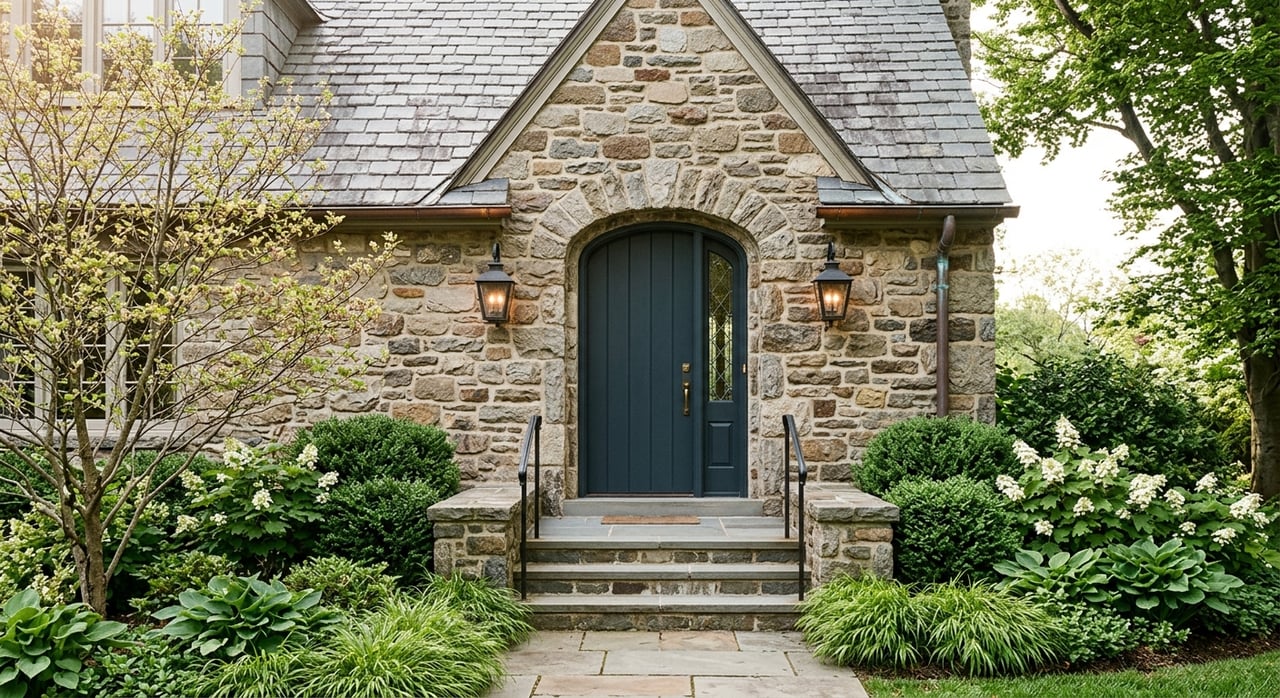
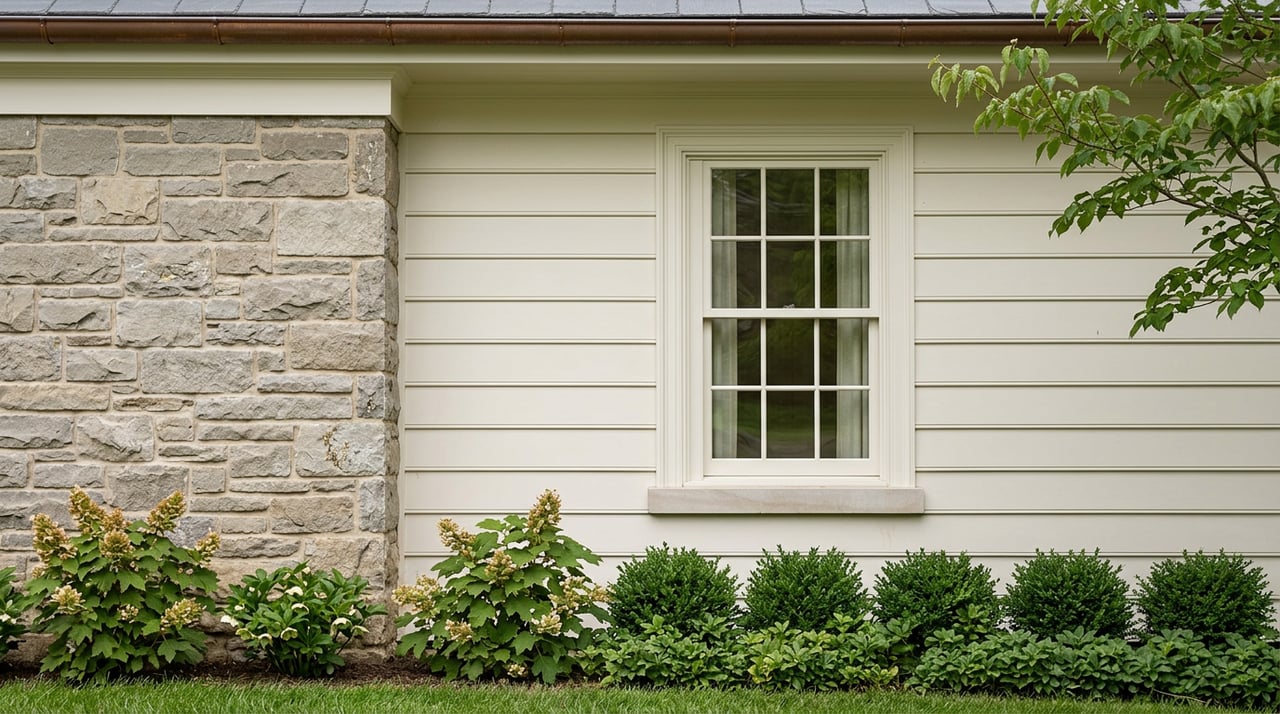
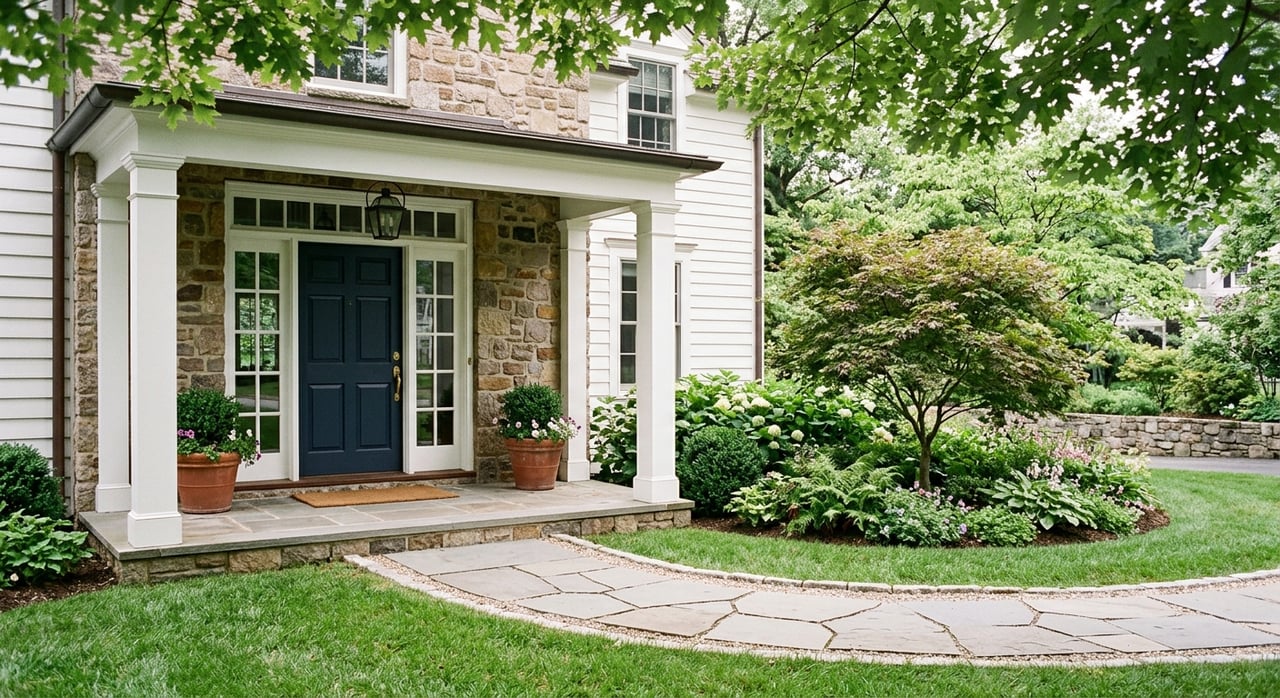
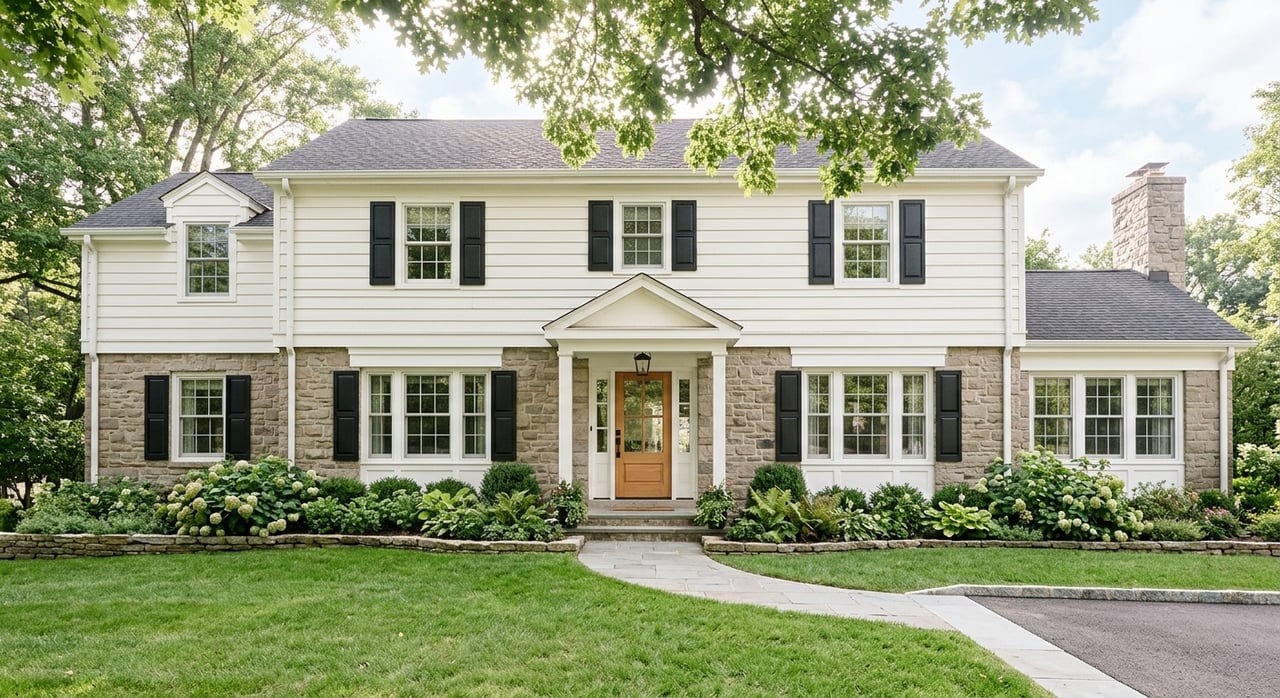
If there is one feature that ties much of Chestnut Hill and Mount Airy together, it is stone. Local Wissahickon Schist appears again and again in facades, chimneys, retaining walls, steps, and landscape features, helping give the area its unmistakable texture and sense of permanence, as noted in SAH Archipedia’s corridor essay.
That is a big reason so many homes here feel rooted to the landscape. Even when the architectural style changes, the repeated use of stone creates visual continuity across blocks and across decades of development.
For buyers, stone can be one of the fastest ways to identify a home that belongs to this corridor’s historic character. For sellers, it is often one of the features that gives a property lasting curb appeal and architectural presence in listing photography.
One of the most recognizable local house types is the twin. In both neighborhoods, twins were not just a practical housing form. They became a defining part of suburban development, especially as the area grew around rail and streetcar access rather than a tighter rowhouse grid.
The Encyclopedia of Greater Philadelphia’s essay on twin houses explains that East Mount Airy developed with large detached and twin homes, while early twentieth-century building also introduced twins with built-in garages. In Chestnut Hill, East Evergreen Avenue still shows 1880s porch-fronted doubles with a layout that separated the front parlor entry from the side kitchen entrance.
This helps explain why some twins here feel almost like detached homes. They often sit in more open settings, with distinct entrances, yards, and architectural detailing that make them feel more substantial than the word “twin” might suggest.
When you look at a twin or older porch-fronted house, start with a few simple clues:
These details often tell you more than paint color or staging ever will.
Among the revival styles in the area, Tudor Revival is one of the easiest to spot, especially in Mount Airy. The 2025 Blakemore Street historic district nomination describes a group of 30 buildings, including 26 identical twin structures, designed with Tudor Revival features such as first-floor Wissahickon Schist, patterned brick chimneys, faux half-timbering, and shared oval courtyards.
That description captures many of the details buyers tend to notice right away. Tudor homes often feel storybook-like, but the local versions are also grounded by stonework and thoughtful site planning that make them feel especially tied to Mount Airy.
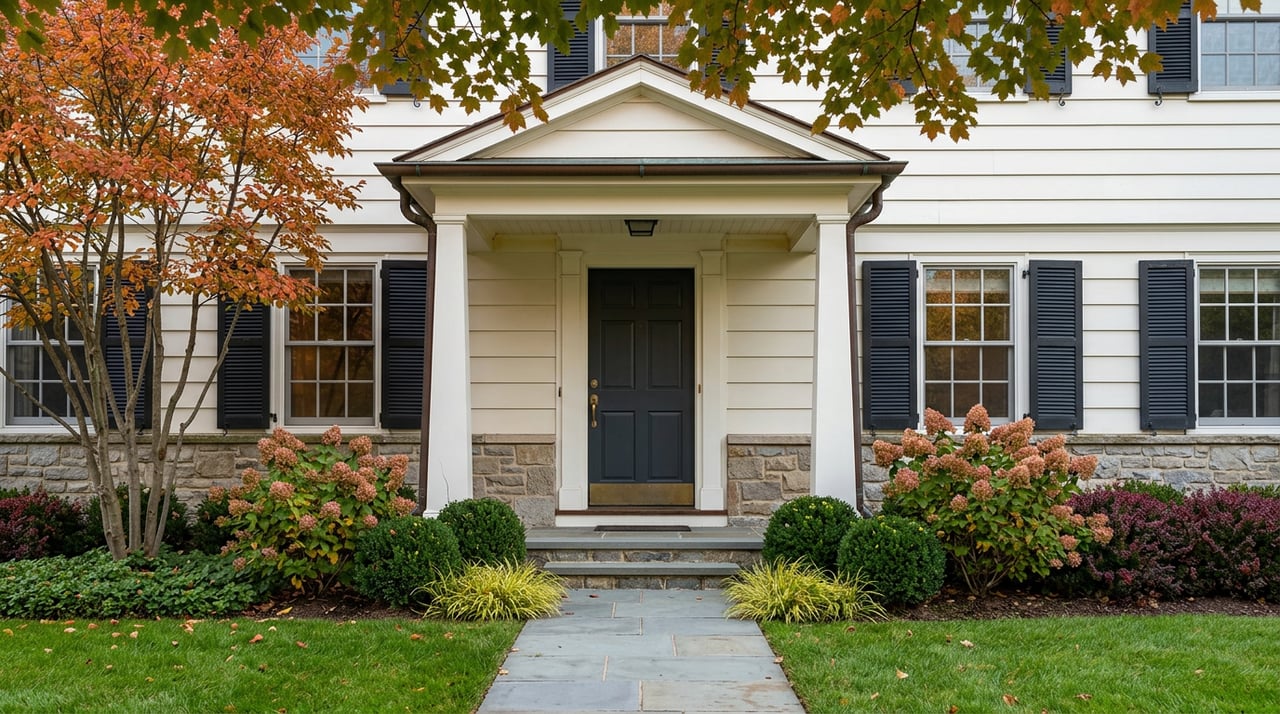
More broadly, Mount Airy’s historic district includes a mix of revival styles, which is why you may see Tudor next to Colonial-influenced homes on the same general stretch. The result is variety, but not visual chaos.
Chestnut Hill often reads as more overtly architect-designed, and several landmark buildings help explain why. The former Wissahickon Inn, now Chestnut Hill Academy, is a Queen Anne building known for broad porches, slate, and brick-and-stone chimneys.
Nearby, St. Paul’s Protestant Episcopal Church reflects Gothic Revival character with local marble and later additions. These kinds of buildings shape the visual language of the neighborhood, even when you are looking at ordinary residential blocks.
Along Germantown Avenue, Colonial Revival also appears in banks, churches, and houses. That helps explain why Chestnut Hill can feel polished and formal in one stretch, then more picturesque or Victorian in another.
Mount Airy is not only about houses. Its commercial architecture also tells part of the story. The City of Philadelphia notes that the Central Mount Airy Commercial Historic District includes 54 properties built between 1885 and 1933, with Art Deco defining the district while Colonial buildings are interspersed.
That is an important reminder if you are touring the neighborhood. Residential architecture may draw most of the attention, but the commercial blocks along Germantown Avenue also contribute to the area’s identity and help make the streetscape feel layered and memorable.
One of the most interesting surprises in Chestnut Hill is its modern architectural layer. The neighborhood is not frozen in the nineteenth or early twentieth century. It also includes important examples of later residential design.
Louis Kahn’s Margaret Esherick House is described as serene and Modernist, with a flat roof, limited ornament, natural stucco, and wood trim. Yet it still reads like a reinterpretation of a traditional central-hall colonial house.
Robert Venturi’s Vanna Venturi House takes a different path, using Postmodern design to rework familiar house forms in a more playful way. The Dorothy Shipley White House by Mitchell/Giurgola adds another modern example, with plate glass and a strong orientation to the garden.
For buyers, these homes show that Chestnut Hill offers more than historic charm. It also has a meaningful modern design legacy, which can matter if you are drawn to architecture as much as square footage.
Architectural style is not just about appearance. It can also shape maintenance needs, renovation decisions, and ownership costs.
The biggest recurring issue in both neighborhoods is masonry. The National Park Service explains in its guidance on repointing historic masonry that replacement mortar should match the historic mortar in strength, composition, color, and texture. Mortar that is too hard, especially high-portland-cement mortar, can damage historic masonry.
Windows and roofs also matter more than many buyers expect. The National Park Service notes in its guidance on historic wood windows that original windows are an important part of a building’s character and should be repaired and retained where possible. Roof massing and materials can be just as important, especially where slate roofs help define Gothic Revival, Queen Anne, or Tudor-style homes.
If you are evaluating an older home, pay close attention to these items:
These are not reasons to avoid a home. They are simply areas where informed planning matters.
If a property is listed on the Philadelphia Register, some exterior work may require review. According to the City’s historic property approval guidance, review generally focuses on visible exterior changes such as facades, roofs, windows, porches, walls, fences, and masonry.
Routine maintenance is treated differently. The same city guidance notes that ordinary work like scraping and painting wood trim, cleaning gutters, and replacing clear window glass does not require review.
For buyers, this is useful context when comparing homes. A registered property may come with extra review for certain exterior changes, but routine maintenance is still part of normal ownership.
If you are touring homes in Chestnut Hill or Mount Airy, focus on a short checklist first. It can help you understand both style and likely maintenance needs within minutes.
This kind of quick reading is useful whether you are narrowing a search or preparing to list a home with strong architectural appeal.
In neighborhoods like Chestnut Hill and Mount Airy, architecture often shapes first impressions before a buyer ever steps inside. Style affects curb appeal, photography, renovation choices, and how a property is positioned in the market.
For sellers, understanding the home’s style can help you make smarter preparation decisions and avoid changes that fight the architecture. For buyers, it can help you separate cosmetic updates from the deeper features that give a house lasting value and identity.
If you are thinking about buying or selling an architectural home in Chestnut Hill or Mount Airy, working with a local advisor who understands style, presentation, and neighborhood context can make the process much more strategic. If you want thoughtful guidance on how to position, prepare, or evaluate a home in this market, connect with Holly Reynolds.
Stay up to date on the latest real estate trends.
Transform your home journey into a memorable experience with our innovative, client-focused approach. I combine deep market insights with a genuine passion for service, ensuring that every step—from the initial consultation to closing—reflects my commitment to excellence. See the difference that makes me stand out in today’s competitive market.