Should you wait for the spring rush or shop in the quieter winter months? If you are eyeing Chestnut Hill, timing your purchase can shape everything from your home choices to your negotiating power. You juggle a demanding schedule, so you want a simple plan that gets you into the right home with minimal stress. In this guide, you will learn how Chestnut Hill’s seasonal rhythm affects inventory, pricing, and speed, plus practical steps to act with confidence. Let’s dive in.
Why timing matters in Chestnut Hill
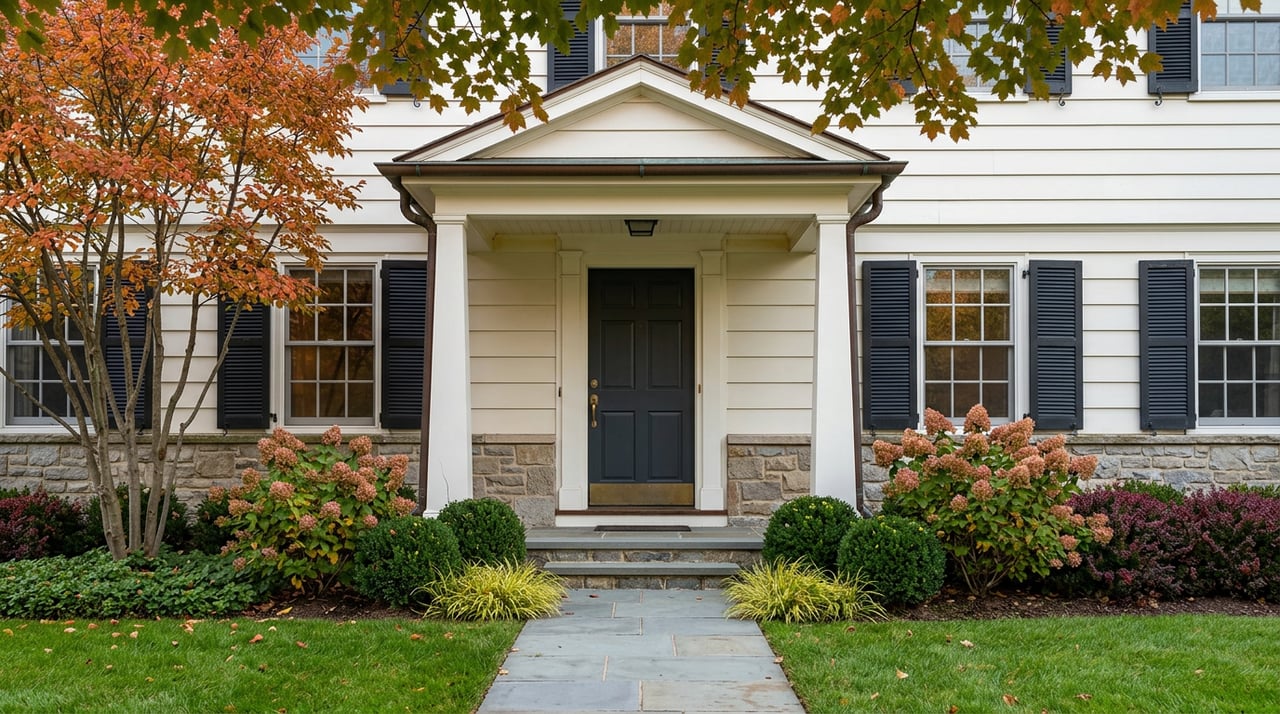
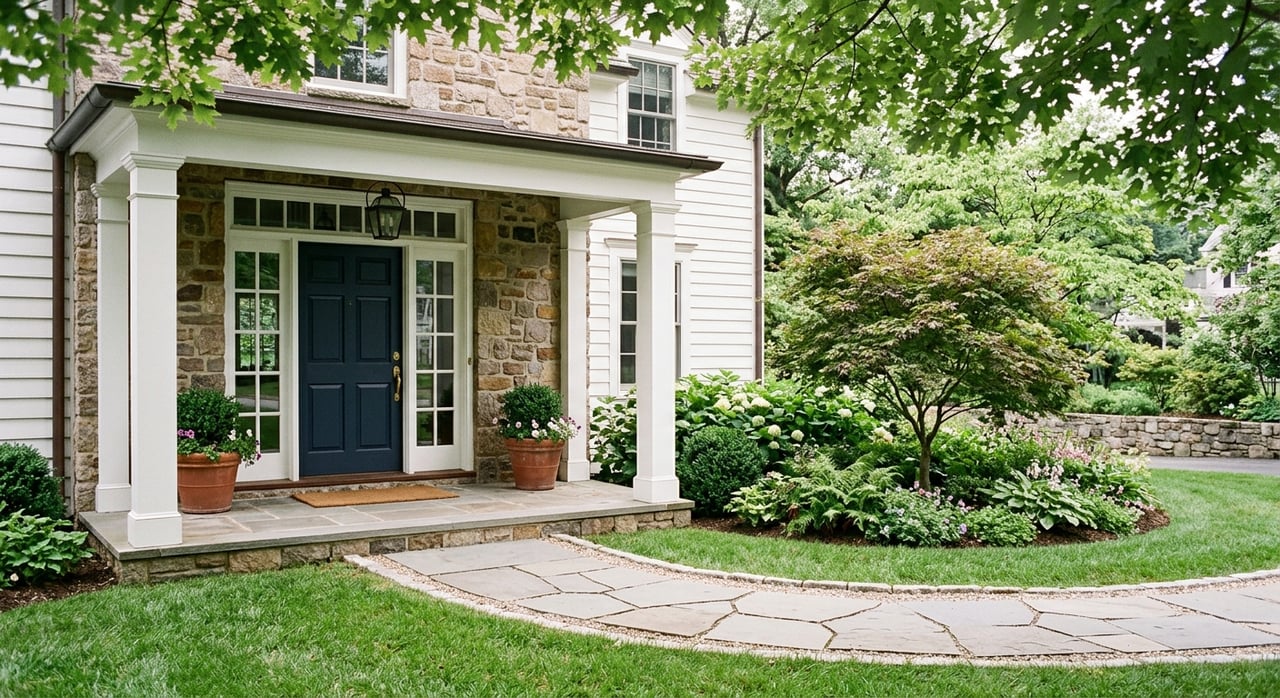
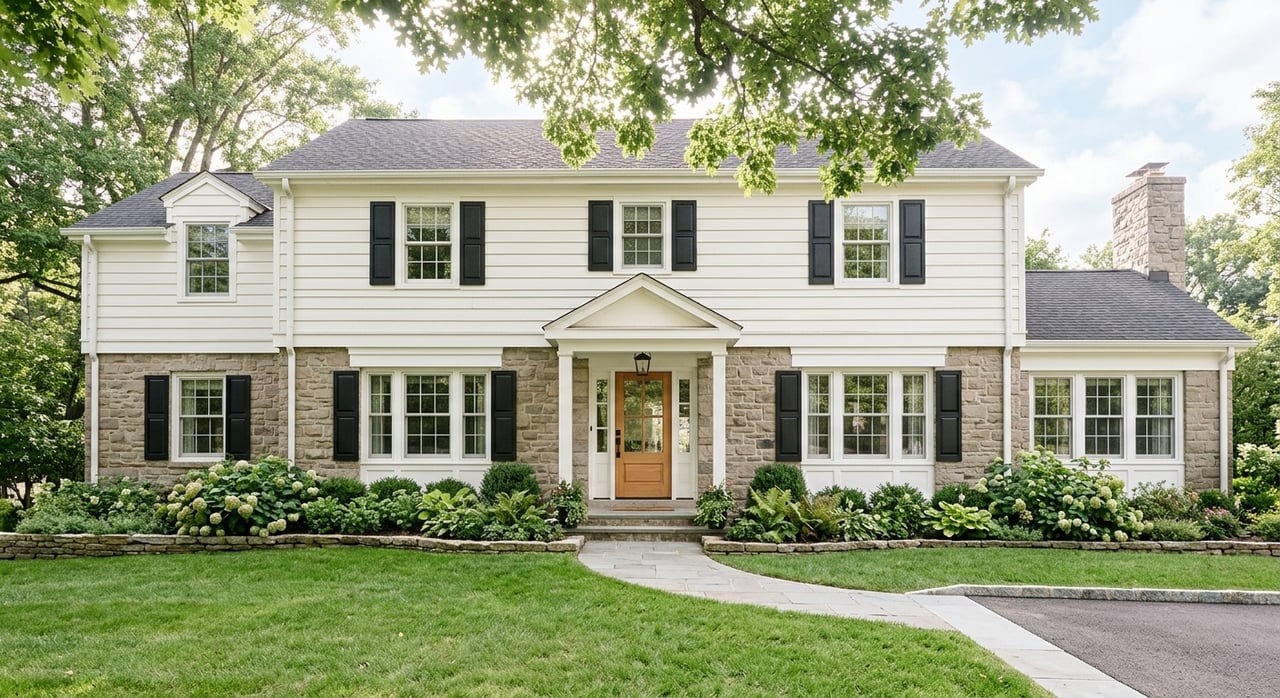
Chestnut Hill blends historic architecture, leafy streets, and a lively Germantown Avenue district. Homes range from grand single-family residences to rowhomes, townhomes, and a handful of condos. Many properties are older or historic, so condition varies widely. That can open up opportunities during negotiations and inspections, especially outside the peak season.
Demand is driven by walkable amenities, access to Wissahickon Valley Park, and the convenience of two SEPTA Regional Rail lines, Chestnut Hill East and Chestnut Hill West. The result is a market that generally sits above city medians and sees strong interest from local families, busy professionals who want a suburban feel with city access, and downsizers.
Because timing influences selection, days on market, and seller leverage, your best window depends on what you value most: the widest choice or the best negotiating position.
Seasonal patterns at a glance
Chestnut Hill follows the broader Philadelphia seasonal rhythm. The intensity shifts year to year, so it pays to track local data as you plan.
Spring: most choice, faster pace
- Inventory typically rises and buyer demand is strong.
- Days on market often shorten, and popular homes move quickly.
- List-to-sale price ratios can tighten, so sellers usually have more leverage.
- Expect more showings, more competition, and quicker decisions.
Summer: still active, slightly slower
- Early summer stays busy with family move windows.
- Activity can taper mid to late summer as vacations pick up.
- Selection remains decent, but pace may ease a bit compared with spring.
Fall: steady opportunities
- Activity slows from spring levels.
- Some motivated sellers re-enter to close before year end.
- Buyers who missed in spring often return, creating steady but manageable competition.
Winter: fewer listings, more leverage
- Inventory is lowest, and the buyer pool shrinks.
- Sellers who list may have clear timing needs, generating room for concessions, credits, or flexible closings.
- You will see fewer options, but you can often negotiate more.
What seasons reveal, and what they hide
- Winter showings can mask landscaping and warm-weather issues. Plan inspections that focus on heating, roof, and moisture risk.
- Spring showings reveal grading, drainage, and water management after thaw and seasonal rain. Use that visibility to your advantage during inspections.
Local micro-timing
Weekend events and school calendars can affect showing logistics and traffic along Germantown Avenue. Build in a little extra time when touring during popular community events.
Choice vs leverage: pick your window
There is no single “perfect” month. The best time for you depends on your priorities.
If you want selection
Spring, especially March through May, usually brings the broadest mix of Chestnut Hill homes and price bands. If you have a specific wish list, like a certain architectural style or off-street parking, spring raises your odds of finding a match. The tradeoff is speed and competition. Be prepared to make decisions within a few days on strong listings.
If you want negotiation power
Late fall through winter typically gives buyers more leverage. With fewer active buyers, sellers can be more flexible on price, closing costs, repairs, and timing. The tradeoff is limited selection. If you can compromise on exact features or are comfortable moving quickly when the right property appears, this window can work in your favor.
How fast do you need to move?
- Spring: attractive homes can draw early offers, and response windows may be short.
- Winter: days on market are often longer, giving you more time to inspect and negotiate, though standout listings can still move fast.
Strategies for busy professionals
You want efficient touring, strong positioning, and clear decision points. Use these strategies to fit the market to your calendar.
If you need options but have limited time
- Start in late winter. Get fully pre-approved and set criteria before the spring surge.
- Use virtual screening. Rely on video walk-throughs, 3D tours, and floor plans to eliminate homes before you tour.
- Block your showings. Tour two to four homes back to back on a weekend or a weekday evening.
- Ask your agent to preview. Have your agent pre-screen new listings and send a short daily shortlist so you only see the top contenders.
- Set smart alerts. Use tight MLS criteria and a broader “must-consider” alert to catch price drops or off-market opportunities.
If your priority is leverage or value
- Aim for late fall and winter. Sellers may be more open to credits, repairs, and flexible closing dates.
- Stay contract-ready. Keep a current pre-approval and proof of funds so you can move quickly when a good option appears.
- Be thoughtful, not low-ball. Present a strong offer supported by your pre-approval and ask for credits or concessions where appropriate.
- Prepare for winter inspections. Focus on heating performance, insulation, roof condition, and any signs of ice damming or moisture risk.
If you want the best match and can move fast
- Target March through May. Clarify your must-haves so you can act decisively.
- Use competitive terms. Consider an escalation clause and shorter inspection response windows when risk tolerance allows.
- Keep your calendar flexible. Weekend open houses and quick follow-up showings help you stay ahead.
Step-by-step readiness checklist
Use this operational checklist to reduce friction and keep your search on track.
Financial preparation
- Get a full mortgage pre-approval, not just pre-qualification. Have a written letter that reflects your loan amount and readiness.
- Gather proof of funds for down payment and closing costs. Bank statements or documentation of liquid assets help you write competitive offers.
- Clarify your decision matrix. Define non-negotiables versus nice-to-haves, including bedrooms, layout, outdoor space, parking, commute needs, and proximity to rail.
Work with a Chestnut Hill specialist
- Choose an agent who knows historic housing and can spot red flags quickly.
- Ask for a customized alert plan. For example, immediate texts for top streets and a daily digest for broader criteria.
- Leverage agent networks for upcoming and off-market opportunities when available.
Touring cadence that saves time
- Start with virtual triage. Eliminate mismatches using listing media before you step inside.
- Tour in compact blocks. Reserve a two to four hour window for multiple back-to-back showings to keep momentum.
- Preview the neighborhood at different times. Check commute hours and weekends to gauge parking, noise, and traffic.
- Communicate constraints. Let listing agents know you are pre-approved and time-limited. Many sellers will accommodate evening showings.
Inspection focus for Chestnut Hill homes
- Winter checklist: heating performance, insulation, window and door seals, evidence of ice damming, roof age and condition, basement cracks or signs of water intrusion during thaw.
- Spring checklist: grading and drainage, gutter and downspout condition, signs of moisture after rain, tree root proximity to foundation, exterior paint and wood rot revealed after snowmelt.
- Historic home considerations: electrical systems, insulation, structural settlement, lead paint and radon testing, and any preservation guidelines that could affect renovations.
- Use qualified inspectors. Add specialists for HVAC, chimney, structural, and sewer as needed.
Offer structure and negotiation
- In spring competition: use a strong price, strategic contingencies, meaningful earnest money, and flexible closing dates. Shorten the inspection response window if it fits your risk tolerance.
- In slower seasons: keep standard contingencies and ask for seller credits for known issues or closing costs.
- Consider escalation clauses sparingly and only with clear caps and terms.
- Think beyond price. Request prepaid fees where applicable, prorated taxes, or a short rent-back to meet a seller’s timing needs.
Logistics and timing
- Coordinate with work deadlines. If you have relocation or bonus timelines, align your closing window to strengthen your offer.
- Build in buffer time. Appraisals and underwriting can take longer in spring when lenders are busy.
- Monitor local data weekly. Track inventory, median days on market, and months of supply for Chestnut Hill to confirm what the market is doing right now.
When to start the clock
Here is a simple plan you can adapt to your calendar.
- Late winter: line up financing, define your criteria, and set alerts. Ask your agent to start previewing.
- Early to mid spring: expect the most new listings and the fastest pace. Tour in blocks and be contract-ready.
- Late fall and winter: shop for leverage. Expect fewer options but more flexibility on price and terms. Move quickly on standout homes.
- Summer: if you prefer a steadier pace, early summer can offer good opportunities before activity tapers.
Final thought
There is a right window for every buyer in Chestnut Hill. If you want maximum choice, prepare in late winter and act in spring. If you value negotiating power, lean into late fall and winter and be ready to seize the right home quickly. If you are pressed for time, combine pre-approval, virtual screening, and block touring to make decisive, low-stress moves. For a tailored plan and on-the-ground previews, connect with Holly Reynolds to get started.
FAQs
How does Chestnut Hill’s seasonality compare to Philadelphia?
- It generally mirrors the broader market, with a strong spring and a quieter winter, but demand often stays resilient due to neighborhood amenities and commuter access.
Is winter a bad time to buy a historic Chestnut Hill home?
- Not necessarily. You may gain leverage on price or terms, but plan for specialized inspections to uncover items that cold weather can conceal.
How fast do I need to decide on a spring listing in Chestnut Hill?
- Popular homes can attract early offers, so be ready to decide within a few days by having pre-approval, clear criteria, and your agent prepared to write.
What inspections matter most for Chestnut Hill’s older homes?
- Focus on roof and drainage, heating performance, structural settlement, and electrical systems, along with lead paint and radon testing when appropriate.
How do I compete if I cannot tour midweek?
- Use agent previews and virtual tours for triage, then schedule tight weekend blocks. Keep financing ready and your offer strategy prepped to move fast.