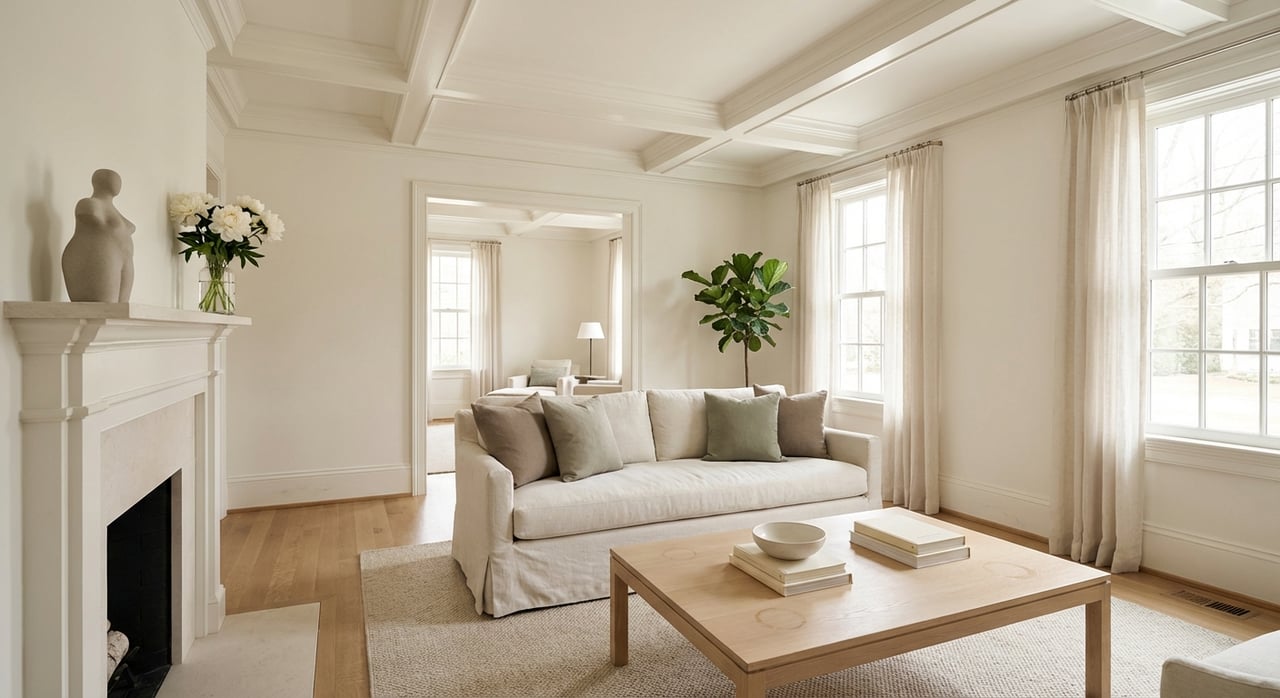
Chestnut Hill Home Staging Tips for Historic Homes
February 19, 2026
February 19, 2026
Is your Chestnut Hill home rich with character but not sure how to present it for today’s buyers? You’re not alone. Sellers here want to honor original details and still meet modern expectations. In this guide, you’ll learn how to stage an older or historic home so it photographs beautifully, shows well, and inspires stronger offers. Let’s dive in.
Chestnut Hill homes stand out for craftsmanship and history. Many properties in the Chestnut Hill Historic District feature original millwork, fireplaces, built-ins, hardwoods, and stone facades that buyers love to see preserved and highlighted. The area’s historic significance is well documented by the National Park Service, which recognizes the neighborhood’s 19th and early 20th century architecture and village character on Germantown Avenue.
At the same time, buyers shop online first. A staged, photo-ready presentation drives more clicks, more showings, and faster momentum once you hit the market. National research from NAR shows that staging can shorten time on market and that some agents see a 1 to 10 percent lift in offer price after staging. The living room, primary bedroom, and kitchen are the rooms most likely to influence buyers.
Chestnut Hill typically trades at the higher end of the Philadelphia market. Exact medians vary by source, so rely on a neighborhood-specific CMA and local MLS comps to set pricing. Staging helps your home compete at that level from day one.
NAR’s findings are clear. If your budget is limited, focus on the living room, primary bedroom, and kitchen. These spaces drive first impressions and buyer confidence. Make them bright, calm, and easy to photograph.
Most buyers decide whether to schedule a showing based on photos. Plan for professional interior photography and consider a twilight exterior image that showcases your façade and garden. Pricing for real estate photography varies by package, and even mid-range options create a major lift in click-throughs and showings.
Chestnut Hill buyers value authenticity. Your goal is to reveal original detail, not hide it.
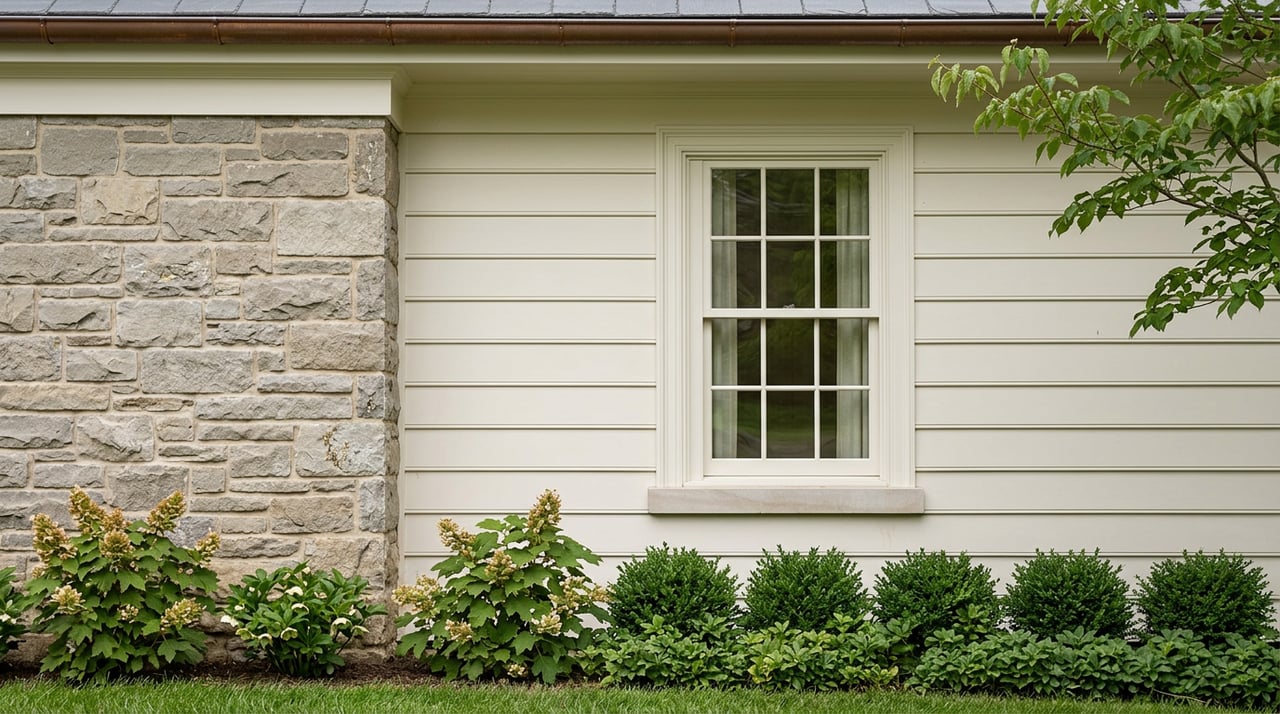
If trim, windows, floors, or stonework need attention, repair is often better than replacement. The Secretary of the Interior’s Standards for Rehabilitation outline best practices for historic work, including repairing original fabric when feasible and matching design and texture if replacement is necessary. Quality repairs are investment-grade in this market and should be documented for buyers.
Today’s buyers want comfort and function. Instead of full gut renovations right before listing, make targeted updates with strong perceived value. NAR’s design coverage highlights how cosmetic improvements can sway budget-conscious buyers. Consider re-caulking or regrouting tile, reglazing a tub, swapping dated light fixtures for simple, classic designs, and updating cabinet hardware or worn countertops where cost-effective.
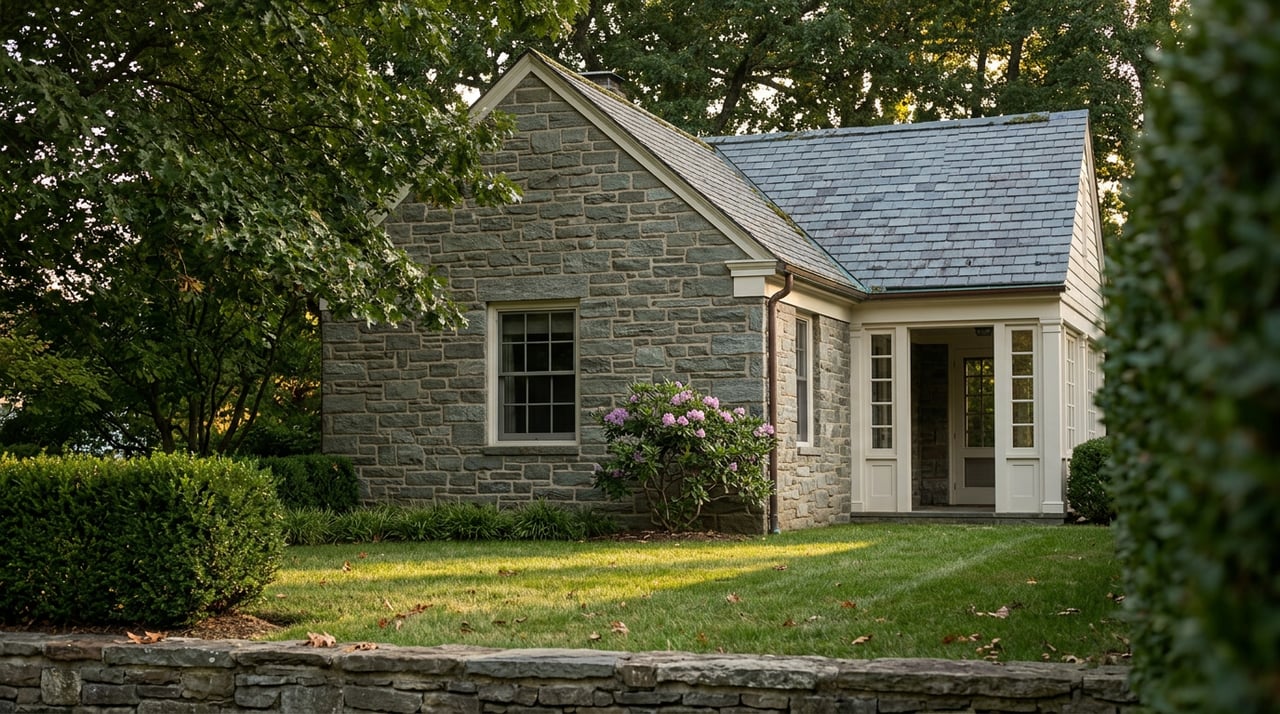
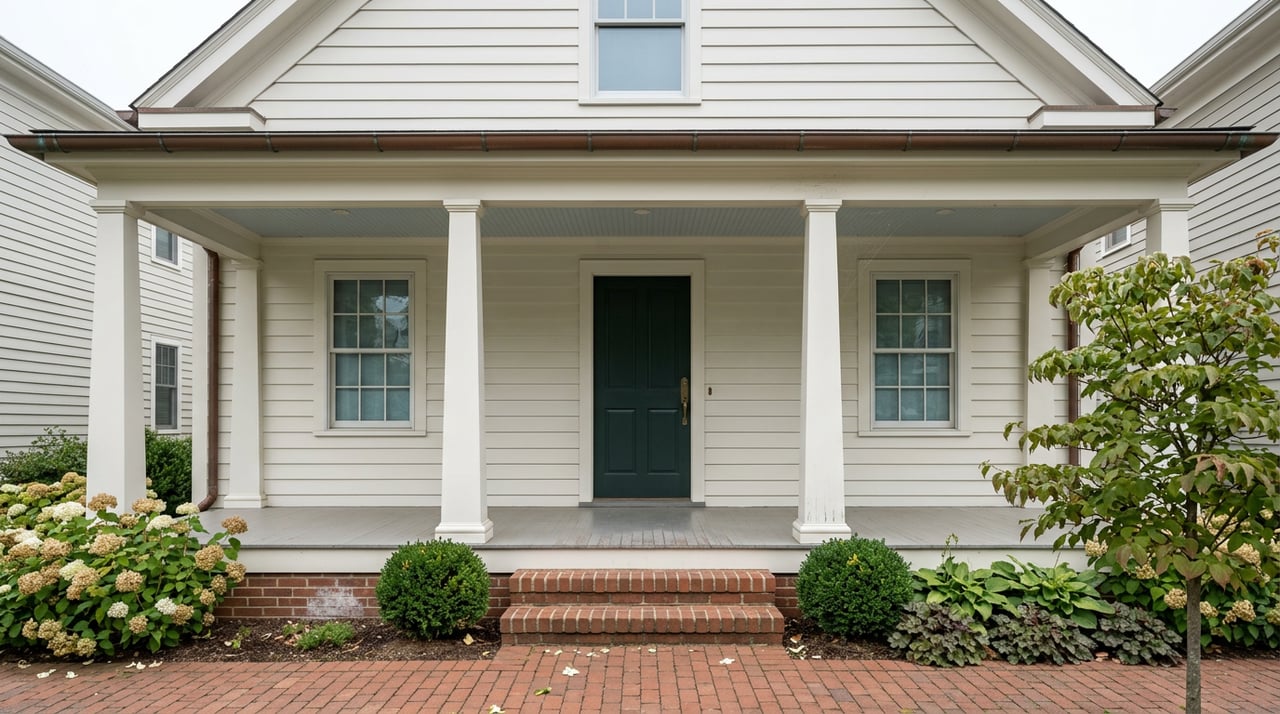
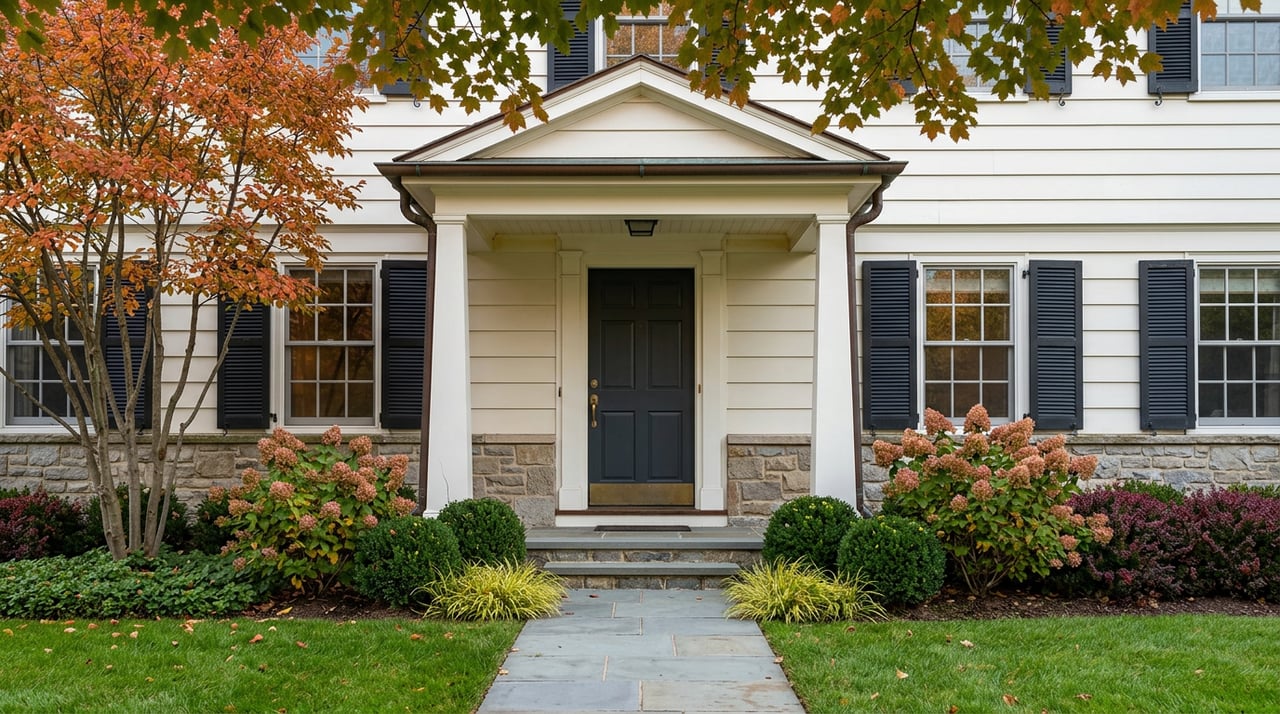
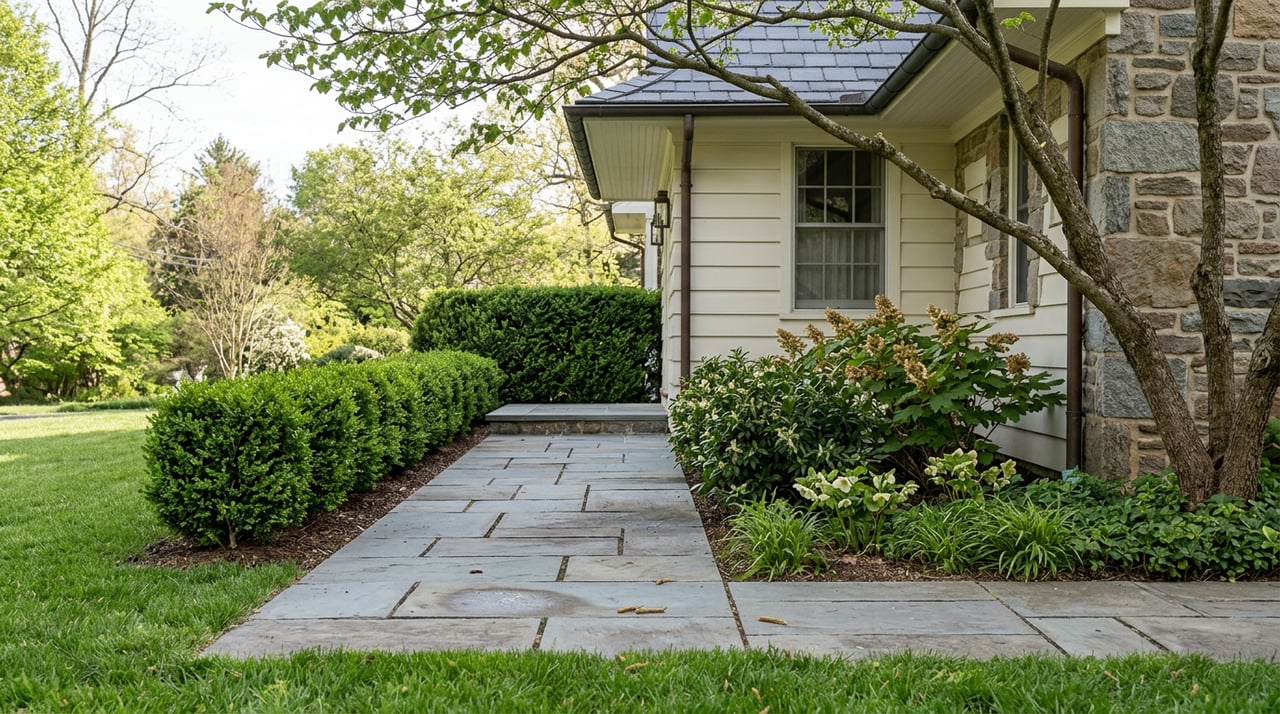
First impressions begin at the sidewalk. Trim hedges, refresh mulch, touch up the front door, and repair walkways. A clean, well-lit entry paired with an elegant twilight exterior photo often becomes your hero image online. Thoughtful curb prep usually costs less than kitchen or bath work but can have an outsized impact on showing activity.
Every home is unique, but these planning ranges can help you allocate dollars where they matter most. Get local bids to confirm your exact scope.
These investments typically pay back through faster market time and stronger negotiation leverage, especially when you focus on the highest impact rooms and visuals.
Use this practical timeline to stay on track and protect your sale.
National Register status is primarily honorary, but local review may apply for exterior changes visible from the street. If your home may be on the Philadelphia Register or within a locally regulated area, consult the Chestnut Hill Conservancy and the city’s historic review process early, especially for windows, roofing, and façade work.
If you plan any sensitive repairs, align with the Secretary of the Interior’s Standards for Rehabilitation. Buyers in Chestnut Hill notice quality preservation, and documentation supports buyer confidence.
Pennsylvania requires sellers to provide a Seller’s Property Disclosure Statement. Fill this out carefully and as early as possible. For homes built before 1978, federal law also requires lead-based paint disclosure and delivery of the EPA/HUD pamphlet Protect Your Family From Lead in Your Home. Keep signed acknowledgements in your file.
Address or disclose moisture intrusion, aging or unsafe wiring, obsolete HVAC, roof wear, or any unpermitted additions. Proactive repairs or transparent disclosure reduce renegotiations later and help your buyer feel comfortable moving forward.
Track the metrics that matter so you can adjust quickly if needed. NAR associates staging and strong media with faster sales, though price lift varies by market. Focus on:
When you prioritize presentation, you set the stage for better engagement and stronger offers.
Ready to position your Chestnut Hill home for the best result? Reach out to Holly Reynolds for a tailored staging and pricing plan that blends preservation with market-savvy marketing. Request Your Free Home Valuation.
Stay up to date on the latest real estate trends.

Transform your home journey into a memorable experience with our innovative, client-focused approach. I combine deep market insights with a genuine passion for service, ensuring that every step—from the initial consultation to closing—reflects my commitment to excellence. See the difference that makes me stand out in today’s competitive market.