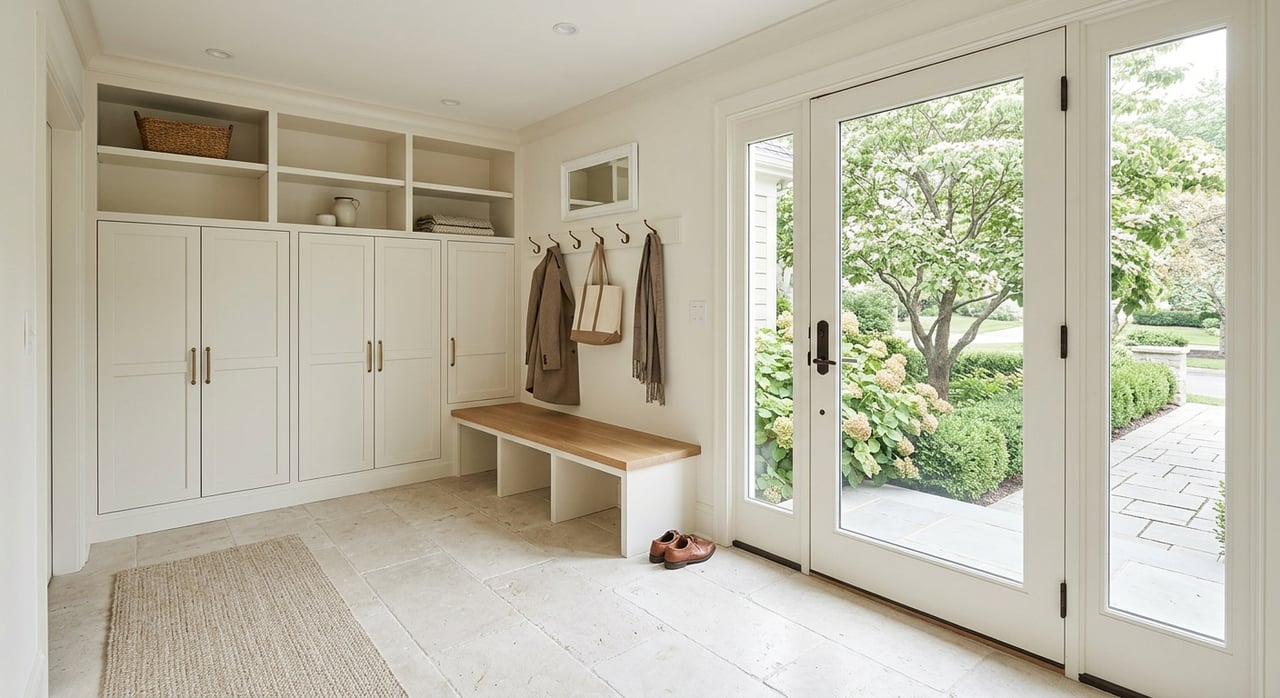
What Chestnut Hill Philadelphia Lifestyle Feels Like
June 11, 2026
June 11, 2026
If you are looking for a Philadelphia neighborhood where daily life feels a little easier and a little more connected, Chestnut Hill stands out fast. You can run errands on Germantown Avenue, spend time outdoors without going far, and build a routine around trains, trails, and local events. For buyers considering a move or sellers trying to explain the neighborhood’s appeal, understanding that everyday rhythm matters. Let’s take a closer look.
Chestnut Hill sits on Philadelphia’s northwest edge and is widely described as the city’s highest point. It is also part of the National Register of Historic Places, with Germantown Avenue serving as the neighborhood’s historic commercial spine. That combination gives the area a strong sense of place that feels both established and practical.
The neighborhood developed significantly after the railroad arrived in the mid-19th century. Over time, it grew into a fashionable suburban enclave within the city, set between the Wissahickon and Cresheim creeks. Today, that history still shapes how people experience the area, especially in the balance between walkability, transit access, and green space.
In many neighborhoods, errands mean getting in the car and making several stops. In Chestnut Hill, a large share of daily tasks can happen along one main corridor. The Chestnut Hill Business District says the neighborhood includes more than 200 local businesses, with Germantown Avenue lined with independently owned boutiques, cafés, and galleries.
That matters because convenience here is not just about what exists. It is about how close those places are to each other. Whether you are grabbing bread, picking up something for the house, or meeting a friend for coffee, the layout supports a more connected routine.
Several well-known local businesses help define that routine. The neighborhood’s everyday mix includes Market at the Fareway, Bredenbeck Bakery, Baker Street Bread Co., Evergreen Cheese, and William A. Kilian Hardware Co. Nearby merchants also include Home Works, Tailored Home, Artisans on the Avenue, Multiverse, and McNally’s Tavern.
For buyers, this kind of retail mix can help you picture what living here really feels like. For sellers, it helps explain why Chestnut Hill appeals to people who value character and convenience in the same place. The draw is not only a charming business district, but also a reliable one.
The Chestnut Hill Farmers Market meets every Saturday from 9 a.m. to noon at Germantown Avenue and Mermaid Lane. That kind of year-round event adds structure to the week and gives the neighborhood a predictable gathering point. It also reinforces the idea that daily life here is built around local routines instead of long drives.
For many residents, a Saturday morning can include coffee, produce shopping, and a few quick errands all in one trip. That simple rhythm is part of what makes the neighborhood feel livable, not just attractive on paper.
Chestnut Hill’s access to outdoor space is one of its biggest everyday advantages. The Chestnut Hill Community Association notes that multiple parks are within walking distance across the neighborhood, from Pergola Park at the south end to Morris Arboretum at the north end. Green space here is woven into the neighborhood rather than pushed to the edges.
That can shape how you spend both ordinary weekdays and open weekends. A quick walk, time at a playground, or a longer trail outing can all fit naturally into the day. For many buyers, that is a major quality-of-life factor.
Friends of the Wissahickon reports that Wissahickon Valley Park covers 2,000 acres and includes more than 50 miles of trails. Forbidden Drive, one of the park’s best-known routes, is a wide creekside path running through the park. That gives residents easy access to a major outdoor resource close to home.
If you like the idea of balancing city access with regular time outside, this is a meaningful part of Chestnut Hill living. You do not need to plan a full day trip to get fresh air or movement. In many cases, it can simply become part of your weekly routine.
Pastorius Park is a 16-acre neighborhood park with a pond and amphitheater. It also hosts the community’s long-running free summer concert series, which gives the park a social role in addition to its open space. That kind of recurring event helps create a neighborhood rhythm that extends beyond private homes.
The Water Tower Recreation Center adds another layer of everyday utility with courts, fields, a playground, and movie nights. For residents, these are the kinds of places that support casual, repeat use rather than occasional destination visits.
At 100 E Northwestern Avenue, Morris Arboretum provides a larger destination within the neighborhood context. The arboretum says it is open daily and spans more than 166 acres of gardens and collections. For residents, that means a more immersive outdoor option is still close by.
This range of park experiences is part of Chestnut Hill’s appeal. You have small neighborhood green spaces, major trail access, community gathering places, and a large garden destination all in the same broader area.
Chestnut Hill offers a daily routine that is not purely car-dependent. SEPTA’s Chestnut Hill East and Chestnut Hill West Regional Rail lines both connect the neighborhood to Center City and major downtown stations, including Jefferson Station, Suburban Station, and 30th Street Station. The terminal stations are located at 100 E. Chestnut Hill Ave. and 8606 Germantown Ave.
For many buyers, that rail access is a key part of the neighborhood’s value. It gives you another option for commuting, appointments, or trips into the city core. That flexibility can matter just as much as square footage or lot size when you are deciding where to live.
Visit Philadelphia notes that drivers can find metered street parking and several lots along Germantown Avenue. At the same time, the Chestnut Hill Community Association says many properties historically do not have on-site parking. That pattern helps preserve the neighborhood’s walkable, transit-accessible character.
In practical terms, Chestnut Hill often works best for people who like being able to handle at least some errands on foot. You may still drive, of course, but the neighborhood design supports a more flexible routine. That is a different experience from areas where every stop requires a car.
A neighborhood feels stronger when there is a shared calendar, not just a collection of houses and businesses. The Chestnut Hill Community Association serves as a public forum for more than 10,000 area residents and supports recurring events throughout the year. That steady programming helps create a sense of seasonality and continuity.
Residents can look forward to Pastorius Park concerts, Movies Under the Stars, the Holiday House Tour, the Holiday Parade, Circle of Trees, and the Black & White Gala. The business district adds First Friday and seasonal festivals, while the farmers market and summer concerts contribute weekly and seasonal touchpoints.
For buyers, these details help you picture more than a home. They help you picture a routine. That is often what turns a neighborhood from an abstract search result into a real contender.
For sellers, this is also part of the story worth telling. Chestnut Hill’s appeal is not just architectural character or location on a map. It is the fact that the neighborhood offers an everyday lifestyle built around local businesses, accessible outdoor space, and recurring community traditions.
Chestnut Hill offers a lifestyle that blends historic character, practical convenience, and outdoor access in a way that is hard to replicate. You can shop locally, use transit, spend time in parks, and move through a week with more rhythm and less friction. That is a major reason the neighborhood continues to draw attention from buyers who want a connected, established Philadelphia setting.
If you are thinking about buying or selling in Chestnut Hill, it helps to work with someone who understands not just the housing stock, but also how the neighborhood functions day to day. That local perspective can make a meaningful difference in how you evaluate value, market a property, and plan your next move. When you are ready, connect with Holly Reynolds for thoughtful, neighborhood-focused guidance.
Stay up to date on the latest real estate trends.
Transform your home journey into a memorable experience with our innovative, client-focused approach. I combine deep market insights with a genuine passion for service, ensuring that every step—from the initial consultation to closing—reflects my commitment to excellence. See the difference that makes me stand out in today’s competitive market.