
From First Walkthrough To Sold: The Chestnut Hill Listing Timeline
June 18, 2026
June 18, 2026
If you are thinking about selling in Chestnut Hill, timing can feel like the biggest question of all. You want to know how long prep will take, when to list, and what happens after the sign goes up. In a market where well-presented homes can move quickly, a clear plan helps you stay ahead of the process and avoid rushed decisions. Let’s walk through what the listing timeline often looks like in Chestnut Hill.
Chestnut Hill is moving faster than Philadelphia overall. As of May 2026, Redfin reports a median 31 days on market in Chestnut Hill, compared with 49 days citywide, along with a 101.5% sale-to-list ratio. Many homes receive multiple offers, and the average home goes pending in about 26 days.
That speed is only part of the story. Chestnut Hill also has an unusually historic housing stock, with most of the neighborhood located in the Chestnut Hill Historic District. With older homes, presentation, documentation, and repair planning often matter more than they would in a newer market.
For many sellers, the full process takes longer than expected before the home ever hits the market. A practical planning model is to expect months for decision-making and preparation, a few weeks of active market time, and then several more weeks to close.
Taken together, a well-prepared Chestnut Hill sale often spans about 2 to 4 months from first walkthrough to settlement. Homes with more repairs, older systems, lead-related prep, or missing documentation can take longer.
The first walkthrough is where your strategy starts. This is the time to look at the home with a buyer’s eye, identify standout features, and flag anything that may need attention before launch.
It is also when pricing strategy begins. In a premium-priced market like Chestnut Hill, data-driven pricing matters because buyer expectations are high and the first days on market are especially important.
After the walkthrough, the next step is deciding what to fix, what to leave alone, and what to document clearly. This stage can make a major difference in how smoothly your sale goes.
A pre-sale inspection is optional, but it can help uncover issues before buyers do. It can also help you decide whether to repair an item, gather contractor estimates, or simply prepare for questions during negotiations.
Many Chestnut Hill homes are older and architecturally distinctive. That often means more moving parts, from aging roofs and HVAC systems to past additions, basement moisture history, or older windows and electrical components.
Because of that, sellers should gather records early. Warranties, manuals, repair invoices, and estimates for larger items can all help support a cleaner listing process.
Pennsylvania has clear seller disclosure requirements, and this step should not wait until the last minute. Under Pennsylvania’s Real Estate Seller Disclosure Law, sellers of residential property must disclose known material defects on the state form before the agreement of transfer is signed.
The disclosure form covers a wide range of topics, including the roof, basement or crawl space, pests, structural issues, plumbing, HVAC, electrical systems, water and sewage, hazardous substances, title matters, and past additions or remodeling. If information changes before settlement, the seller must update the buyer.
If you do not know something, Pennsylvania law allows you to rely on the best information available. That is especially helpful with older homes where records may be incomplete.
Still, the best approach is to start early. The more time you have to review the home, gather records, and clarify unknowns, the more confident you can feel when offers come in.
In Chestnut Hill, build year matters. Because the neighborhood includes homes dating back to the 18th century, sellers should verify the age of the property early in the process.
For homes built before 1978, federal lead rules add another checklist item before a contract is signed. Sellers must disclose known lead information, provide available records and reports, give the required EPA pamphlet, and allow a 10-day inspection or risk-assessment period.
If prep work will disturb lead-based paint, certified firms and lead-safe work practices are required. This is one reason older or more repair-heavy homes may need extra runway before listing.
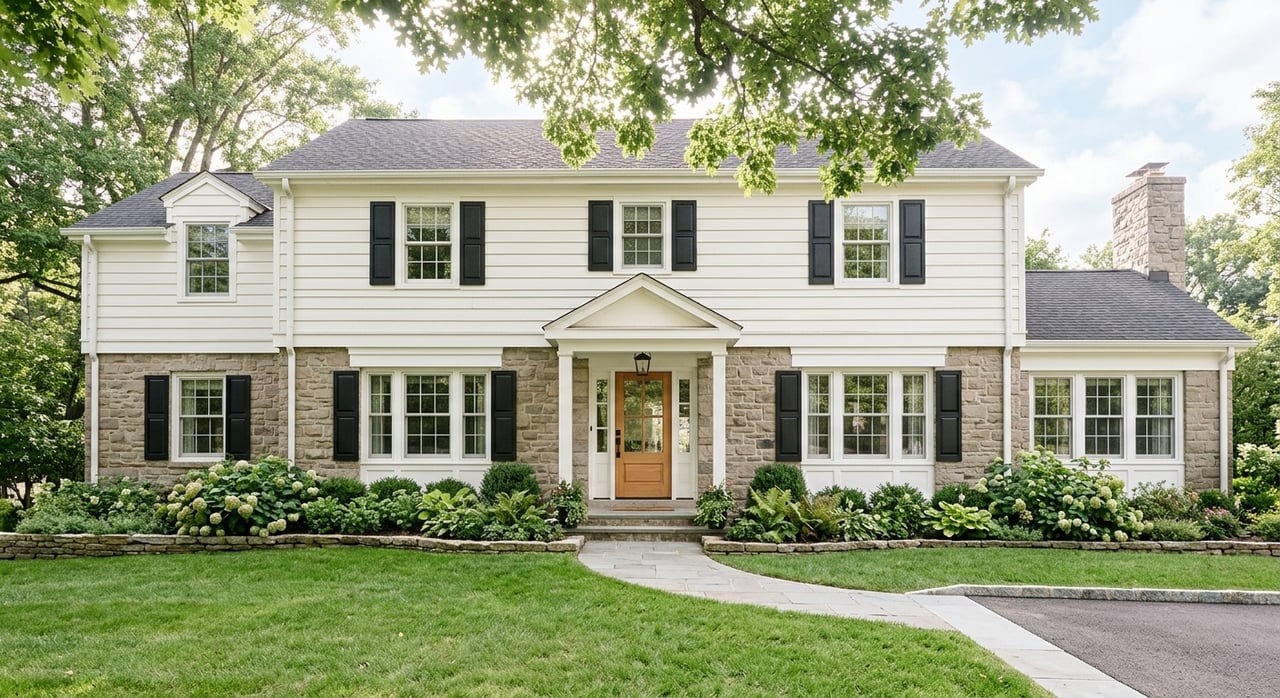
Once repairs and documentation are underway, the focus shifts to presentation. In Chestnut Hill, this step matters because buyers are often drawn to architecture, greenery, and the overall feel of the home from the first photo onward.
Staging does not always mean a full redesign. It often means cleaning, decluttering, editing furniture, improving flow, and highlighting the rooms and details that buyers are most likely to remember.
Your home should feel clean, calm, and easy to understand online and in person. Buyers often decide whether to schedule a showing based on photos alone, so every room should photograph clearly.
A practical sequence is simple: finish repairs first, then stage and clean, then photograph, then launch. That order helps avoid a rushed or uneven presentation.
Photography should happen only after the home is fully ready. Strong visuals help shape the first impression, and in a fast-moving market, that first impression can drive early showing activity.
If your timing is flexible, working backward from the strongest seasonal window can help. Redfin’s 2026 seasonality analysis places Philadelphia’s best listing window in mid-May, with East Coast markets often strongest just before Memorial Day.
If you want to launch in mid-May, staging, cleaning, and photography should be scheduled several weeks earlier. That gives you room to handle last-minute details without compromising the presentation.
It also helps if you are selling and buying at the same time. Listing earlier in the spring may give you more time to secure your next home.
Once your home is live, the pace often picks up quickly. In Chestnut Hill, where homes average about 26 days to go pending and many receive multiple offers, the first one to two weeks are especially important.
This is when showing traffic, buyer feedback, and pricing discipline all come into focus. A strong launch can create momentum early, while a weak launch can be harder to correct later.
Accepting an offer is a major milestone, but it is not the finish line. After contract acceptance, the sale moves into the settlement process, and several steps continue on their own timelines.
Inspection scheduling, appraisal, title work, and mortgage approval can all affect closing. For financed sales, Zillow’s consumer guidance says closing typically takes another 30 to 45 days after offer acceptance.
The buyer must also receive the Closing Disclosure at least three business days before closing. At closing, the seller signs the deed and closing affidavit, while the buyer signs the note and mortgage if financing is involved.
Here is a simple planning model for a well-prepared sale:
| Stage | Typical Timing |
|---|---|
| First walkthrough and strategy | Week 1 |
| Repairs, records, and disclosures | Weeks 2 to 6 |
| Staging, cleaning, and photography | Weeks 5 to 7 |
| Listing goes live | Around Week 7 or 8 |
| Showings and offers | Next 1 to 3 weeks |
| Under contract to settlement | Next 4 to 6 weeks |
This is not a fixed rule, but it is a useful guide. Homes with extensive prep needs or older-home compliance issues may need a longer runway.
The easiest way to reduce stress is to start earlier than you think you need to. Many sellers spend three to four months thinking about selling before they list, and prep can add even more time.
If you begin with a walkthrough, a clear prep plan, and a target launch date, the process becomes much easier to manage. That is especially true in Chestnut Hill, where details like condition, records, and presentation can directly affect buyer response.
A thoughtful listing plan is not just about getting on the market fast. It is about entering the market prepared, priced strategically, and positioned to make the most of early demand. If you are thinking about selling in Chestnut Hill, Holly Reynolds can help you build a smart timeline from the first walkthrough to closing.
Stay up to date on the latest real estate trends.




Transform your home journey into a memorable experience with our innovative, client-focused approach. I combine deep market insights with a genuine passion for service, ensuring that every step—from the initial consultation to closing—reflects my commitment to excellence. See the difference that makes me stand out in today’s competitive market.