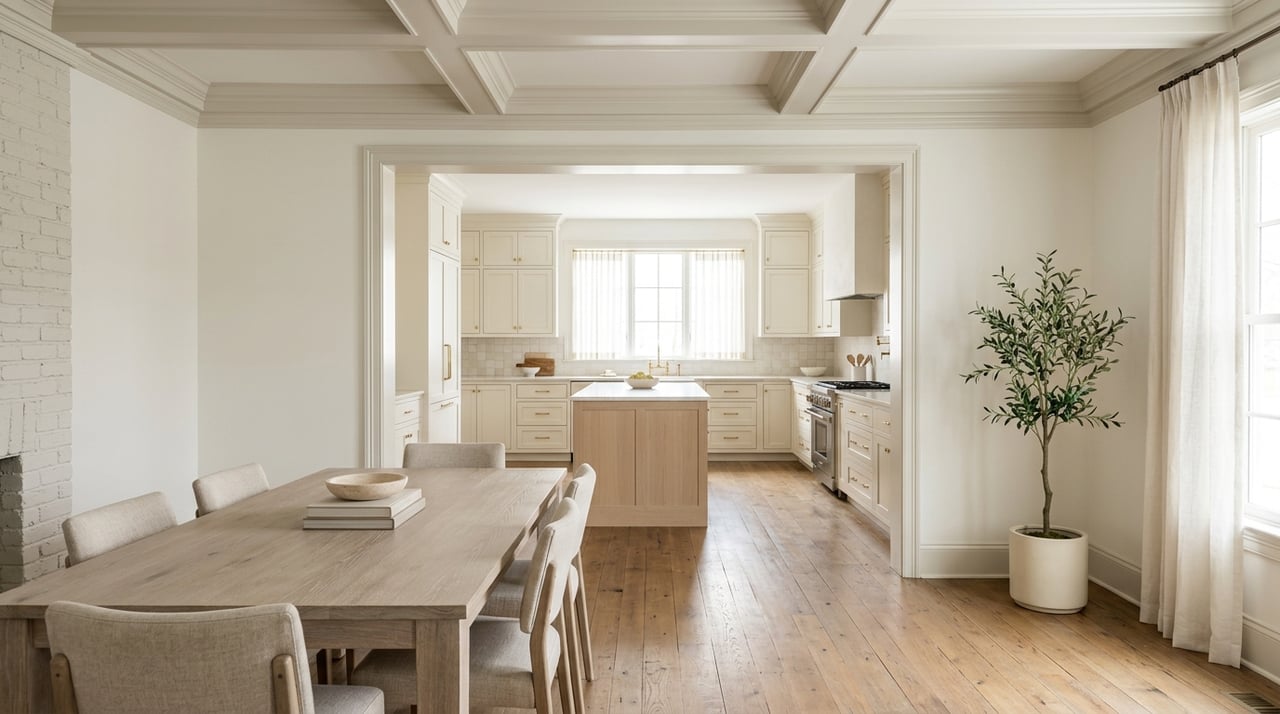
Lower Gwynedd New vs. Historic Homes: What to Know
July 2, 2026
July 2, 2026
If you are weighing new construction vs. a historic home in Lower Gwynedd, you are not alone. Many buyers are drawn to the township’s established setting and character, but they also want comfort, efficiency, and fewer surprises after closing. The good news is that both paths can make sense here, depending on how you want to live and what kind of upkeep you are ready for. Let’s dive in.
Lower Gwynedd has a long residential history, and that matters when you start your search. The township was founded in 1698, and its planning materials show that most residential development took place after 1950, with more limited newer housing growth in recent years.
That helps explain why the local housing mix feels established rather than fast-growing. According to the township’s 2021 ACS snapshot in the comprehensive plan, about 61.5% of homes are single-family detached, 12.6% are single-family attached, 1.1% are twin or duplex homes, and 24.4% are multifamily.
This is also a market with strong owner occupancy and higher home values. Census QuickFacts show about 78% of housing units are owner-occupied, and the median value of owner-occupied homes is $655,000.
In practical terms, Lower Gwynedd is still mostly a detached-home market with a relatively selective supply of newer options. If you are hoping for a large menu of brand-new homes, this is usually not the kind of market where you will see wave after wave of major new subdivisions.
Township planning materials report that 213 residential units were constructed or proposed between 2005 and mid-2022. Of those, 57 were detached units and 156 were attached units, including 88 attached units added at Foulkeways.
That pattern matters because it suggests that new housing in Lower Gwynedd tends to be more limited and targeted. Planning updates also point to redevelopment along Bethlehem Pike and discussions around denser housing concepts, which signals that future new construction may come more from infill and redevelopment than from large undeveloped tracts.
New construction often appeals to buyers who want a more predictable start. In a market like Lower Gwynedd, where newer housing is limited, that can be especially attractive if you want fewer immediate repair projects and systems that begin closer to current standards.
The township’s Building & Zoning department notes that permits are governed by township code and the Pennsylvania Uniform Construction Code. The township also requires added construction-plan details for new homes, which reflects the level of review involved in building here.
From a day-to-day living standpoint, energy performance is one of the biggest draws. The U.S. Department of Energy says air sealing is central to efficient new-home construction, and ENERGY STAR notes that certified homes are at least 10% more energy efficient than homes built to code and average about 20% better.
For you, that can mean a home that feels more comfortable right away and may come with lower utility exposure at the outset. Of course, real-world performance still depends on the builder’s specifications and the quality of installation.
If you love established streetscapes, period details, and a sense of place, an older home may be the better fit. Lower Gwynedd has several historically recognized areas and resources that reflect the township’s long settlement history.
The township’s historical marker program highlights Penllyn Village, Spring House Village, Gwynedd Corners, and Gwynedd Friends Meeting. Township records also show that the Ingersoll Home and Barn, dating to the 1700s, were designated to the township’s historic resource eligibility list with a voluntary declaration meant to protect against demolition and facade alteration.
That is important because buying an older home here is not just about age or style. In some cases, you may also be dealing with a preservation framework that affects what changes are easier or harder to make.
The township’s comprehensive plan notes that Lower Gwynedd can use historic inventories, zoning incentives, design guidelines, and conservation easements to support preservation. So if a home is a designated historic resource, you will want to understand that status early in the process.
One of the clearest differences between new and older homes is how they perform day to day. New homes typically benefit from newer insulation methods, better air sealing, and more current mechanical standards.
Older homes can absolutely become more comfortable and efficient, but they often need more attention first. The Department of Energy notes that many older homes have less insulation than homes built today and recommends a home energy assessment to identify inefficiencies and prioritize upgrades.
That matters because air leakage can have a real impact on utility costs and comfort. DOE says air barriers can account for 30% or more of a home’s heating and cooling costs, which is why air sealing and insulation are so important in both new construction and retrofit work.
No matter which direction you lean, due diligence matters. A newer home may start with fewer issues, but that does not mean you should skip an independent inspection.
The township outlines permit and construction requirements for new homes, but buyers should still look at the finished product carefully. CFPB notes that a home inspection helps identify structural and mechanical issues before closing, and that remains true even for a newly built property.
With an older home, the inspection process becomes even more important. You will want a clear picture of structural condition, HVAC, electrical components, insulation, and any likely near-term upgrade costs.
Resale is never one-size-fits-all, but the local market gives some helpful clues. Lower Gwynedd’s high owner-occupancy rate and relatively high median home value suggest a market where condition, location, and overall fit with buyer expectations matter a great deal.
Because recent development has been limited, both a well-built newer home and a well-updated older home can be compelling. In many cases, the better resale story comes down to the specific property, how well it has been maintained, and whether it aligns with what buyers expect in a largely detached, owner-occupied market.
That means your decision should focus less on whether a house is simply old or new. A better question is whether the property’s condition, upkeep needs, and long-term feel match your budget and your lifestyle.
New construction may be the stronger fit if you want lower near-term maintenance, more current energy performance, and a home that feels move-in ready from a systems standpoint. In Lower Gwynedd, that option can be appealing precisely because the newer-home pipeline is more limited.
A historic or older home may be the better match if you value established surroundings, distinctive architecture, and the personality that comes with an older property. You just want to go in with a realistic plan for maintenance, efficiency upgrades, and any historic-resource questions.
In the end, the right answer in Lower Gwynedd is usually personal rather than universal. If you want help comparing specific homes, weighing likely upkeep, and deciding which option fits your goals, Holly Reynolds can help you navigate the decision with clear, local guidance.
Stay up to date on the latest real estate trends.
Transform your home journey into a memorable experience with our innovative, client-focused approach. I combine deep market insights with a genuine passion for service, ensuring that every step—from the initial consultation to closing—reflects my commitment to excellence. See the difference that makes me stand out in today’s competitive market.